A Field Guide
Thesis: Gen Z treats humor like a pocket particle accelerator: shove meaning in, whip it until the labels fly off, then laugh at the sparks. Gen X built the lab—cable TV, alt‑comedy, DIY zines—but Gen Z runs it at unsafe speeds on a phone with 3% battery and a cursed ringtone. Both are brilliant; they’re just aimed at different survival scenarios.
The “6–7” of it all
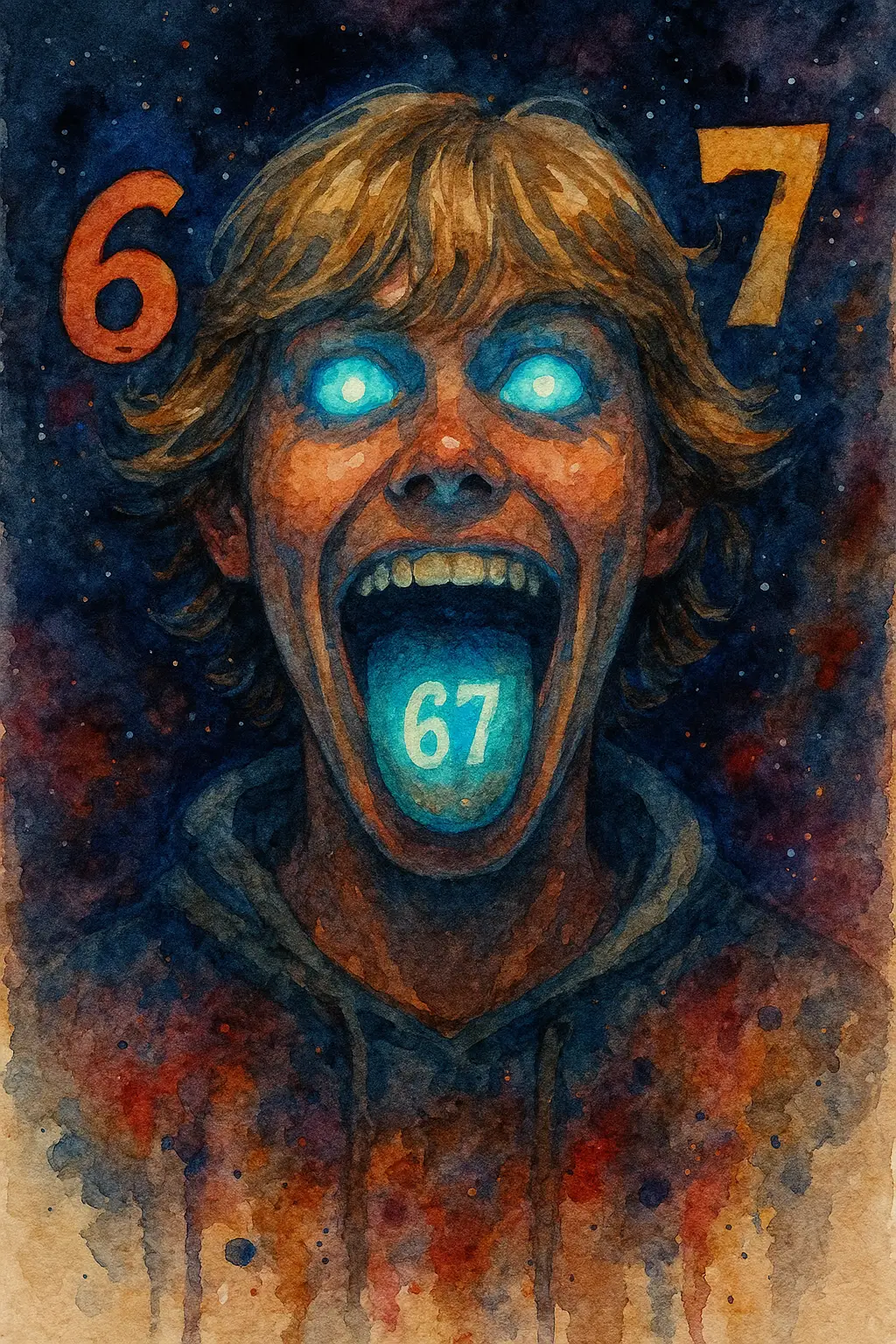
A kid yells “six!” and a hallway of teenagers answers “seven.” No setup, no punchline, manic joy. It’s a vibes-only button—an in‑joke that refuses to explain itself. For adults, it feels like walking in on Act III after missing Act I and II. For Gen Z, that is the joke: meaning withheld to avoid being farmed by brands, teachers, and the algorithm.
What Makes Gen Z Humor “Wicked” (in the Boston sense and the fairy‑tale sense)
1) Earnest Nihilism.
They know the news is a brick to the forehead. The answer isn’t the shruggy cynicism Gen X perfected; it’s a chaotic tenderness that says, “We’re doomed… and here’s a frog in a tiny hat.” They meme the void but bring snacks for it.
2) Brain‑Rot as Craft.
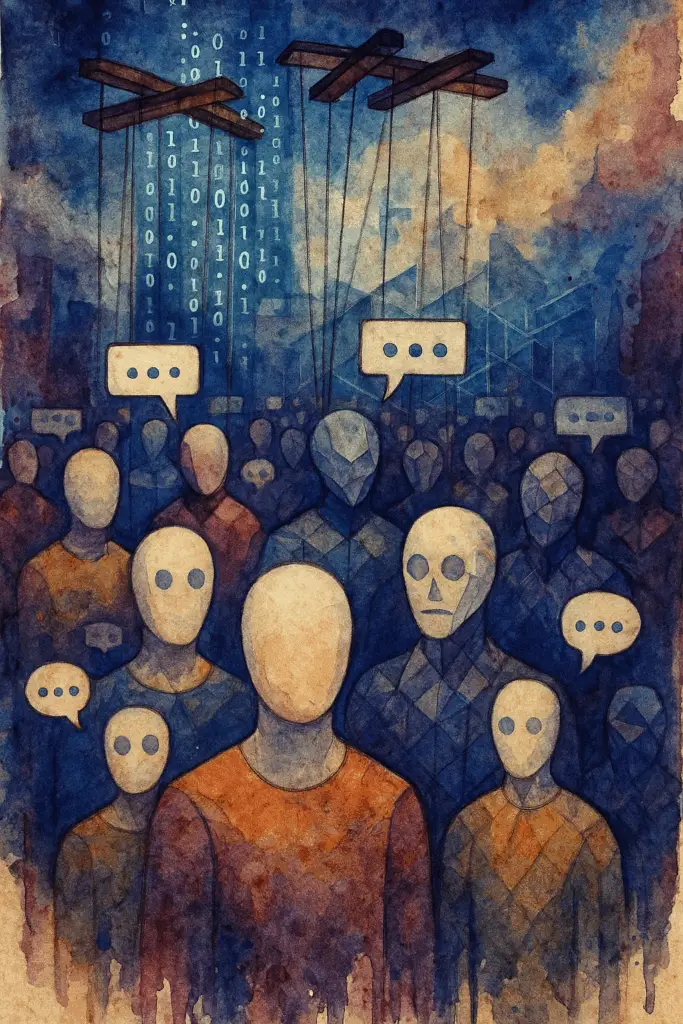
Low-effort aesthetics (misspellings, deadpan captions, grainy zooms) are a deliberate anti‑polish. The ugliness is a moat against extraction: if it looks monetizable, it’s already too late.
3) Punchlines you have to earn by living online.
Jokes are layered like sedimentary rock—soundbite + trend audio + micro‑drama from last week + one loud guy in the comments. If you weren’t there, the punchline goes ghost.
4) Horror‑Cute.
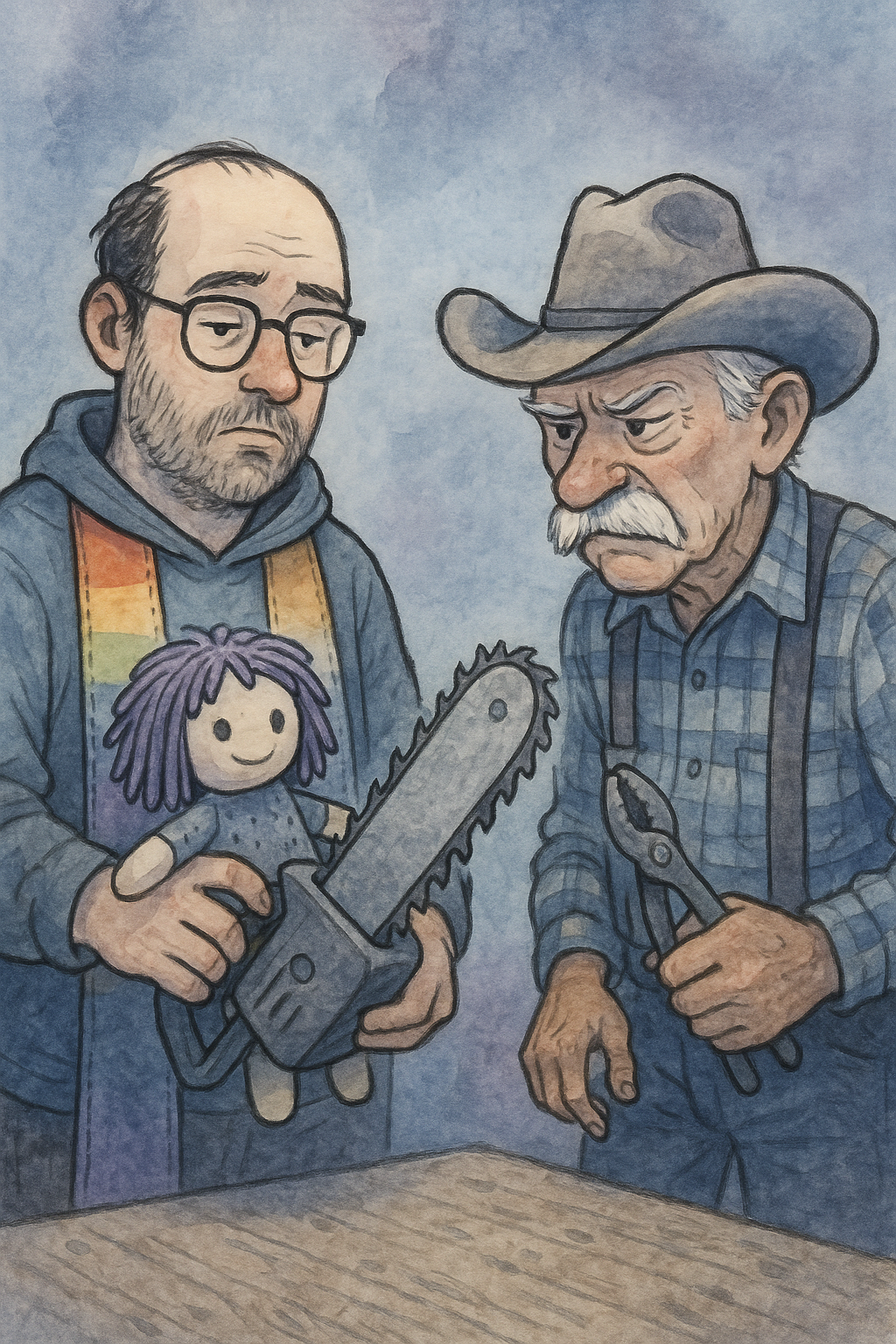
Killer rabbits, plush cryptids, eldritch bunnies (rabitilians, anyone?), smiley faces with too many teeth. It’s not bitterness—it’s a cute sticker on a cracked screen.
5) Conspiracy‑Camp.
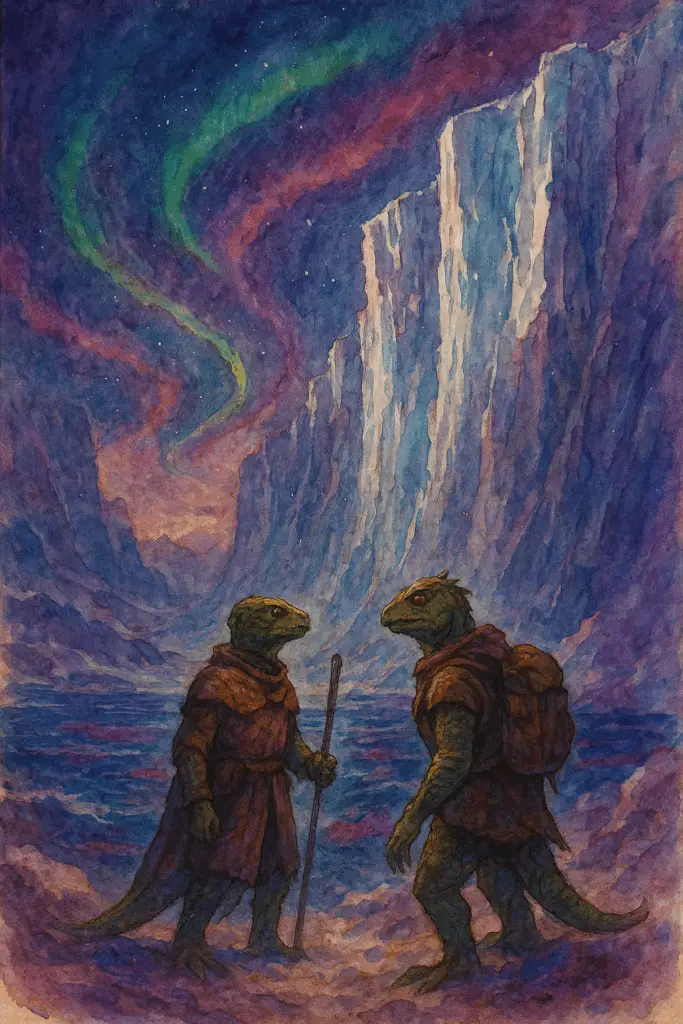
They collage lore like trading cards: Antarctic ice walls, reptilians, Galactic Federation/Alliance, Atlanteans, Lemurians/Lyrans, UN flat‑earth map, Asgard/Asgardia—sometimes sincere, sometimes cosplay, often both. The humor lives in the tonal gear‑shift: mock‑serious narration, meme subtitles, and that one pixelated diagram of a portal behind the Arby’s.
6) Syntax Play: Caveman Storytime.
“Me do job. Boss say ‘team.’ Me consider forest.” Reductive grammar = pressure release. It flattens power and turns trauma into a beat you can dance to in three sentences.
7) The Anti‑Explainer Stance.
Explanations are for marks. If you get it, you’re inside; if you don’t, that’s the bit. (Footnotes become cringe the moment they are necessary.)
Meanwhile, the Gen X Operating System
1) Irony as Armor.
Gen X came of age with late‑night monologues, stand‑up CDs, and the birth of the internet forum. Cue the wry eyebrow, the observational snap (“What’s the deal with…?”), and the knowing smirk that says I refuse to be fooled by sincerity.
2) Media‑Literate Snark.
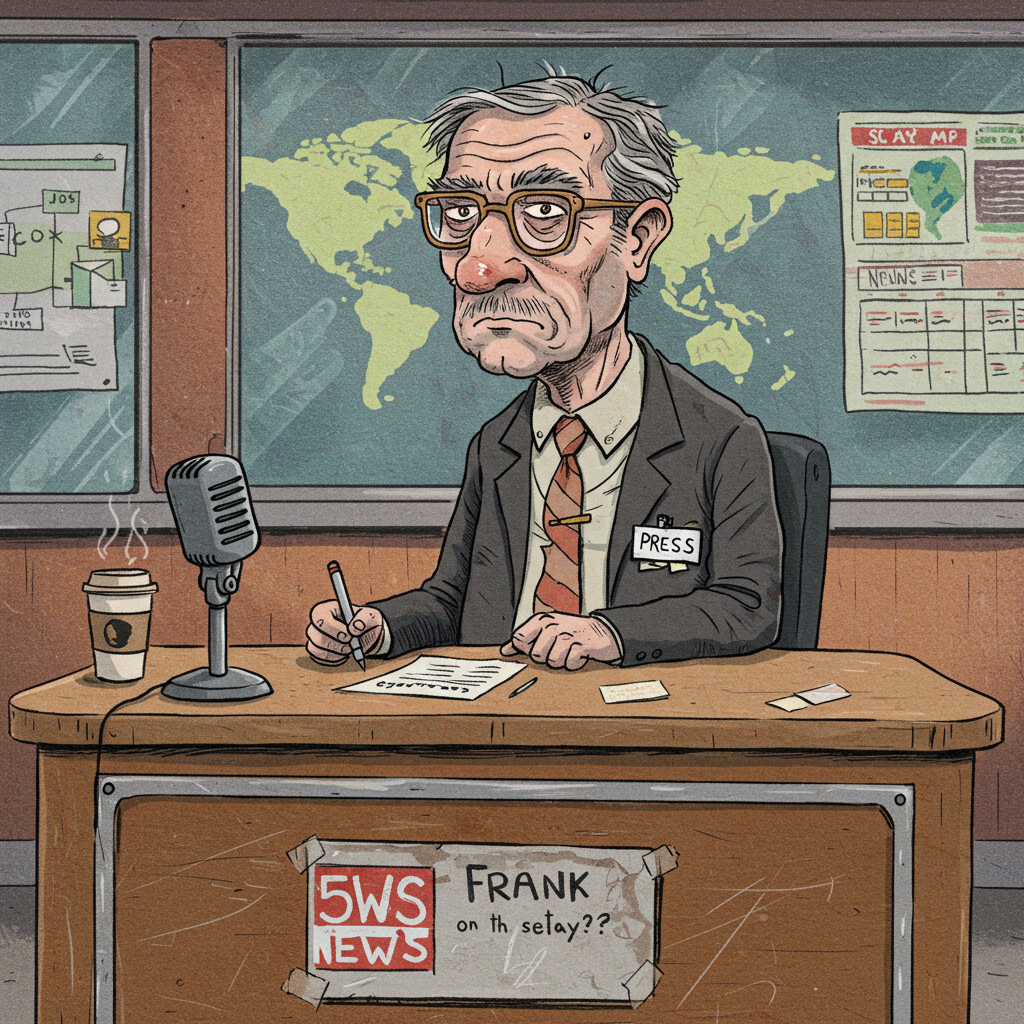
Raised by MTV and magazine racks, Gen X learned to cut commercials with sarcasm. The comedy stance was “I see the strings.” The audience reward was recognition: You noticed it too.
3) DIY Gateways.
Zines, alt weeklies, campus radio, indie clubs—humor traveled by subculture tunnels. If you had the map, you had the joke. If not, you found it months later in a photocopied stack.
4) Punchline Discipline.
Setup → twist → tag. Even when weird, there’s a spine. The world might be absurd, but the joke respects structure.
5) Hope via Detachment.
If Gen Z’s comfort blanket is absurd sincerity, Gen X’s was the shrug—a refusal to let the culture break your heart twice.
Same Weather, Different Umbrellas
- Shared core: Both cohorts use humor as weather gear for a stormy reality.
- Divergence: Gen X treats comedy as a scalpel (precise cuts); Gen Z treats it as a blender (throw it all in, drink it loud).
- Audience contract: Gen X promises, “You’ll get it by the end.” Gen Z promises nothing, and that’s part of the thrill.
Field Guide: Translating Between the Two
If you’re Gen X trying to reach Gen Z:
- Drop the tidy setup. Start at the weird part; let context accrete.
- Use one absurd visual anchor (e.g., a plush cryptid judge gaveling your point). Don’t explain it.
- Sit in sincerity for one beat longer than feels safe.
- Borrow the “Caveman” syntax sparingly for release valves, not as the whole gag.
- Treat conspiracy‑lore as prop comedy: deadpan delivery, chart with too many arrows, “according to this completely reliable napkin.”
If you’re Gen Z trying to reach Gen X:
- Give us one breadcrumb. A five‑word caption that names the premise keeps older brains on the track long enough to enjoy the derailment.
- End with a tag that sounds like a punchline even if it’s nonsense. (Yes, “6–7” works.)
- Nostalgia is a free laugh: one VHS filter can buy you ten seconds of attention.
The Conspiracy Collage, De‑weaponized
Use the lore as texture, not as claim:
- Ice wall = metaphor for “this workplace has boundaries you only discover when you hit them.”
- Reptilians = the vibe of power that never blinks.
- Galactic alliance = the group chat that’s saving your sanity at 2 a.m.
- Atlanteans/Lyrans/Lemurians = inherited gifts that your resume can’t quantify.
- UN flat‑earth map = all models are wrong, some are useful. (Yours, especially.)
- Asgard/Asgardia = myth vs. PR; the stories we crown ourselves with.
- Rabitilians = the bit that’s obviously fake and therefore safest to laugh at.
Creative Patterns You Can Steal (Dr. Jess ✕ Sara voice)
- The Deadpan Infomercial: Sell a pocket‑sized Ice Wall for home use. “Protects boundaries. Also keeps snacks cool.” End with a whispered “six… seven.”
- Caveman Case Study: “Me start nonprofit. Board say synergy. Me see reptile blink sideways.” (Cut to crystal‑powered spreadsheet.)
- UN Map of My Feelings: Plot your day as a polar projection where everything drifts toward the rim of burnout. Add a legend: Atlantis = nap.
- Galactic HR: Your group chat is the Galactic Federation; every supportive text is a treaty. Put the treaties on refrigerator magnets.
- The Blender Edit: Smash three micro‑memes into a 20‑second arc: soft horror image → earnest line → derailing sound cue → one clean tag.
Closing: Why Their Laughter Matters
Gen Z isn’t broken because their jokes look like glitch art; they’re responding, appropriately, to a world that often feels like a rigged escape room. Gen X isn’t outdated because they love a crisp punchline; they learned to survive by naming the trick and refusing to clap. Both strategies are love letters to the future: We’re still here, together, laughing at the thunder.
One‑Page Cheat Sheet
- Gen X: irony, structure, media‑literate snark, “I see the strings.”
- Gen Z: vibe‑first, anti‑explainer, horror‑cute, conspiracies as collage, “six–seven.”
- Bridge move: give one breadcrumb or one clean tag, then let the chaos sing.