AKA All Things in Moderation
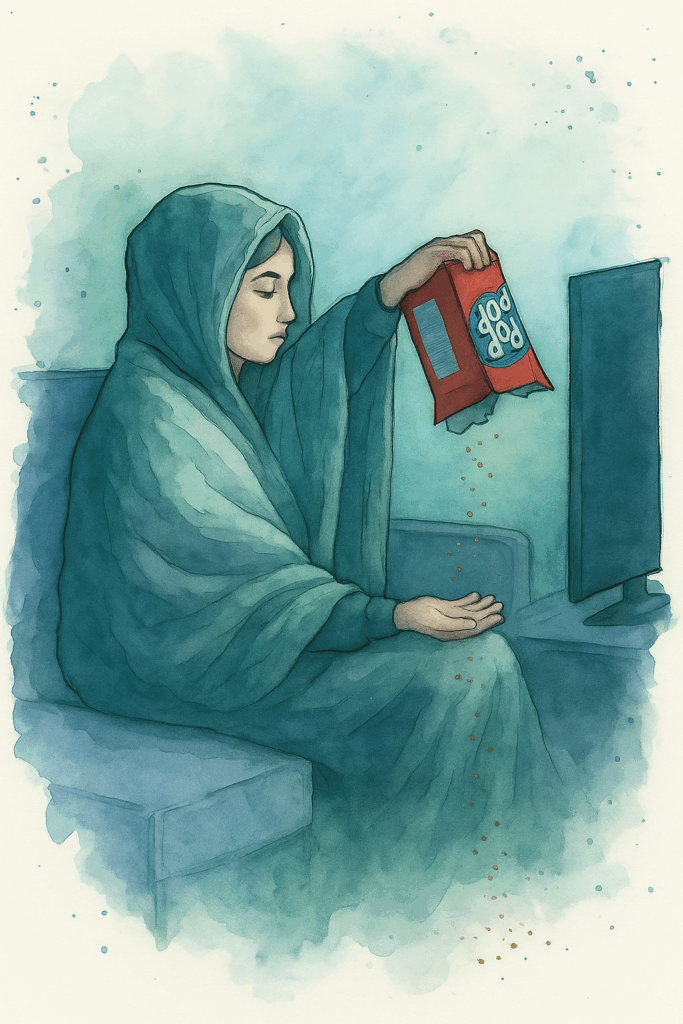
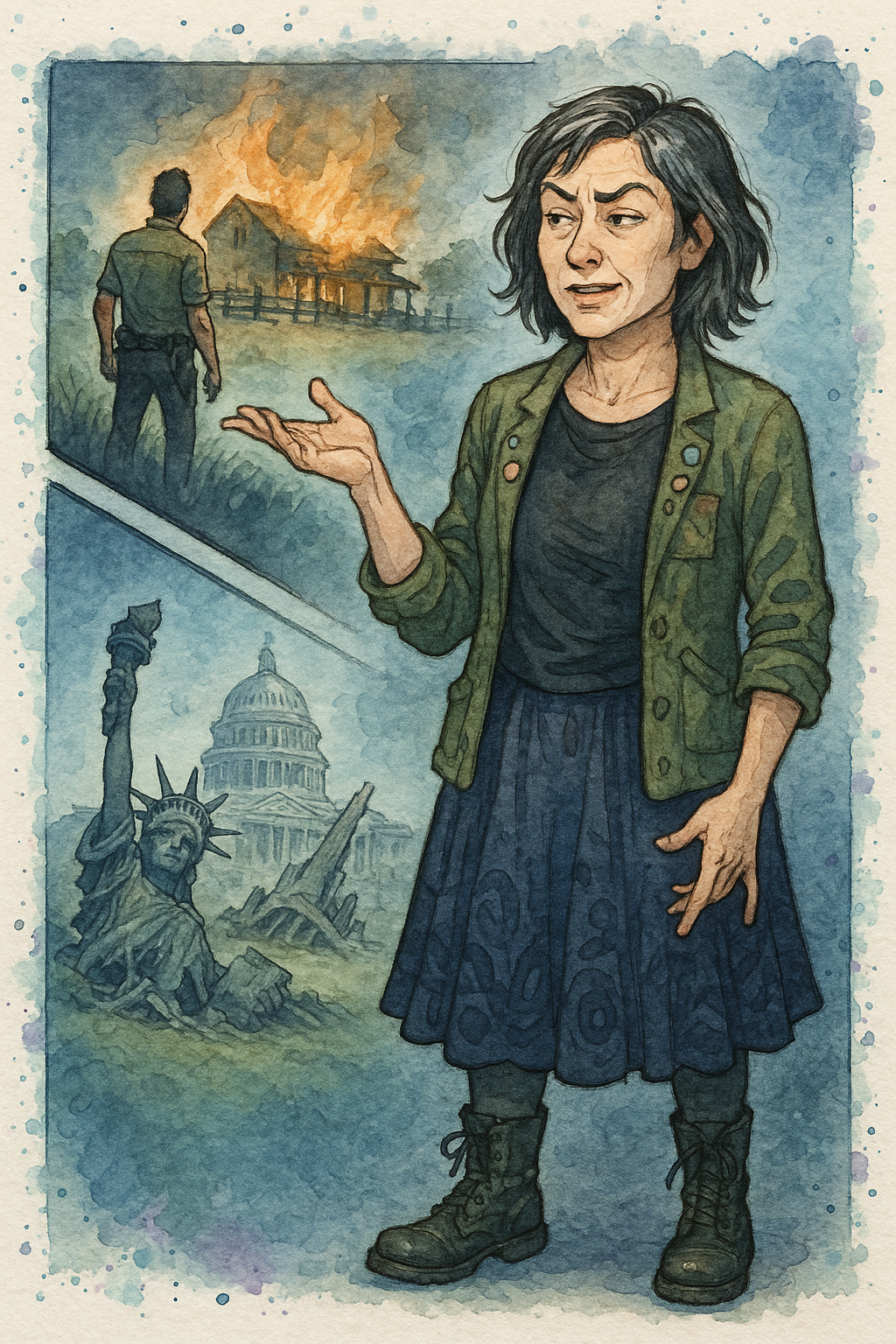
Let’s be honest: life right now feels like a dumpster fire sponsored by chaos. Coping mechanisms? Absolutely necessary. They’re what keep us from stress-eating an entire box of Pop-Tarts in one sitting.
But here’s the catch: psychology says coping only helps when it’s balanced. Too much, and you slide from “healthy recharge” into “full cryptid mode,” where the only sunlight you see is from the fridge light at 2 a.m.
Research backs this up. For example:
- A 2020 study in Frontiers in Psychology found that avoidant coping—basically distracting yourself instead of addressing stress—actually increases anxiety and depression over time. Sure, zoning out with twelve hours of comfort TV feels great in the moment, but it’s the mental health version of shoving dirty laundry into the closet before company comes over. Out of sight, not out of mind.
- On the flip side, research from the Journal of Contextual Behavioral Science shows that mindful coping—like taking a walk, checking in with your breath, or journaling—actually improves resilience. And as a shameful plug, please check out our “Opps, Journal,” avaliable soon-ish. These methods are less dramatic than a doomscroll marathon, but way more effective.
- Even moderate physical activity (yes, walking counts) has been linked to reduced symptoms of depression and improved coping, according to the American Journal of Psychiatry. Translation: your brain wants you to move a little, not become a couch fossil.
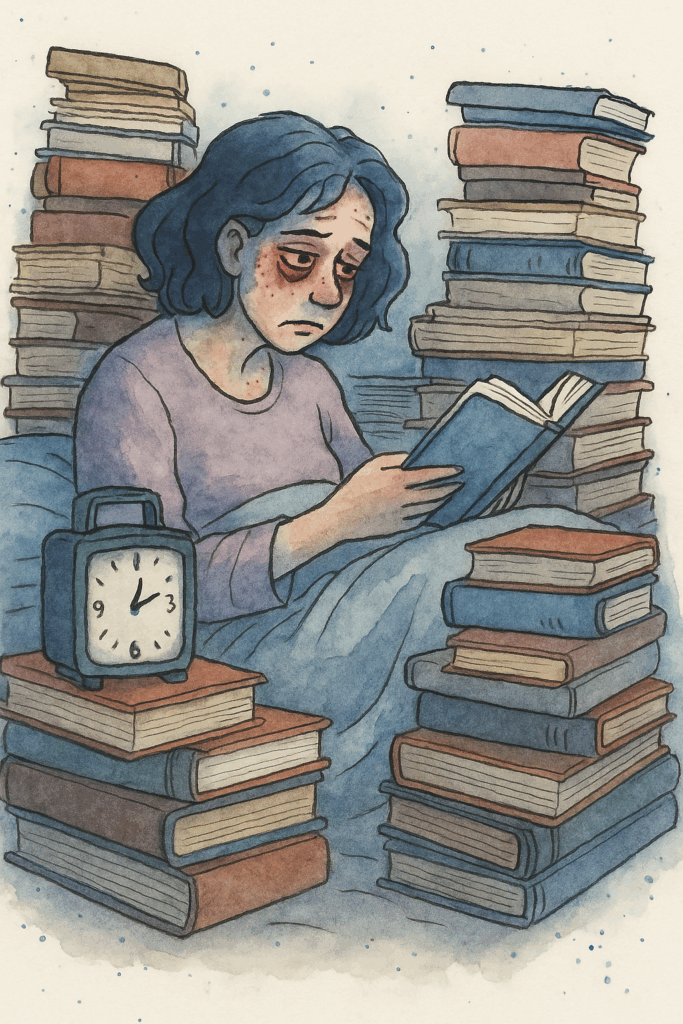
The Cult of Brighter Days calls it strategy: watch your comfort show, but also drink water. Play the video game, but also text back your friend. Nap, but also let your skin remember what the sun looks like.
Because yes, the world is still messy. But it’s also where laughter lives, where good coffee smells happen, where your people are. Total escape means missing out on all that.
Three Quick Coping-in-Moderation Tips (backed by science, blessed by sass):
- Set a timer on your escapes. Research on habit loops shows we lose track of time during “numbing” activities. Enjoy the binge or scroll guilt-free—then step back into the world.
- Pair a comfort with a connection. Studies on resilience show that social ties buffer stress. Watch Netflix, but also text a friend about the best part. Snack, but share the chips. Coping works better when it’s not lonely.
- Move your body (gently). Even light activity (walking, stretching, dancing badly in your kitchen) reduces stress hormones. It’s science—and it makes your blanket fort even cozier afterward.
So cope. Recharge. Hide under a blanket when you must. Just don’t move in permanently with your coping mechanism. Moderation isn’t about killing the fun; it’s about making sure the fun actually helps.
That’s how we survive the dumpster fire: part science, part sass, and a whole lot of brighter days ahead.