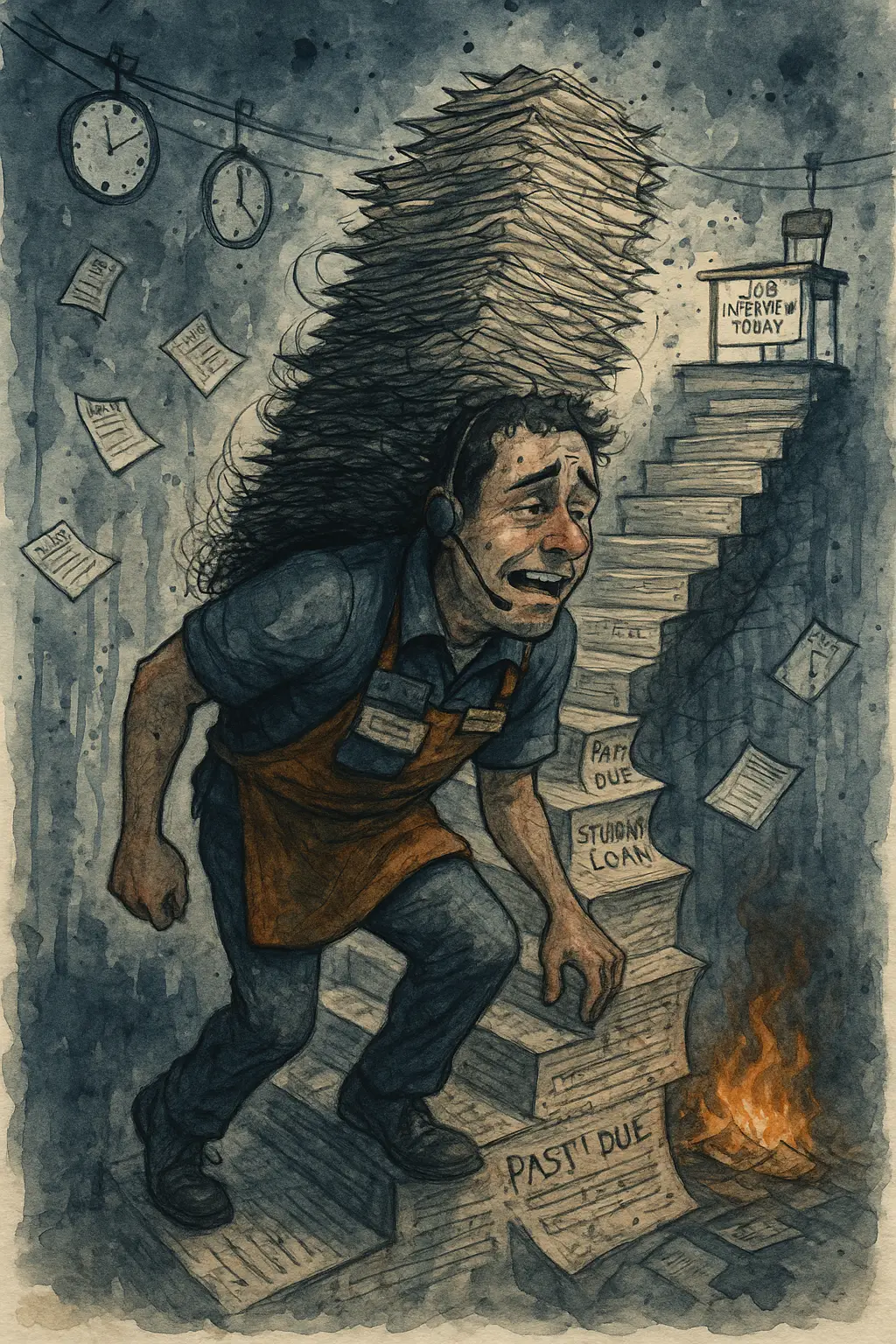
(and Charge You Interest):
The Cult of Never Enough
Greed. We’ve all been told it’s just a personal failing, the stuff of cartoon villains hoarding gold coins like Scrooge McDuck with a head injury. But let’s be real: greed isn’t just some asshole CEO’s personality quirk. It’s the operating system we’ve all been forced to download at birth, and uninstalling it requires a level of spiritual IT support most of us can’t afford.
Self-Interest vs. Greed: When “Ambition” Gets Rabies
Self-interest: I want a burrito.
Ambition: I want to make a really good burrito.
Greed: I want to own every burrito, monopolize tortilla futures, and create a burrito-based NFT market while lobbying Congress to ban tacos.
Psychology Today defines greed as “excessive and insatiable desire,” which is a polite way of saying: “It’s the psychological equivalent of a tapeworm in Gucci loafers.”
What Greed Does to the Greedy (Spoiler: It’s Not Sexy Forever)
Sure, studies show greedy folks often rake in more money and bed more partners. Congrats—you’re rich, lonely, and Tinder-swiping until you die of emptiness. Because here’s the kicker: greed corrodes from the inside out. You trade belonging for accumulation, intimacy for acquisition, and end up on the hedonic treadmill—a machine designed by Jeff Bezos, powered by your insecurities, and set to “never-ending sprint.”
Consumerism: The Cult of Never Enough
Capitalism doesn’t just need us to consume; it needs us to worship consumption. Advertising doesn’t sell you shoes—it sells you the fantasy that you’ll finally be lovable once your feet are wrapped in $300 leather. Spoiler: your feet still smell.
The paradox: America promised the “pursuit of happiness,” but then handed us the “pursuit of stuff” and called it the same thing. The World Happiness Report politely disagrees, showing that once your bills are covered, more money doesn’t equal more joy. What does matter? Social bonds, trust, belonging. You know, the exact things greed lights on fire and sells back to you as “premium experiences.”
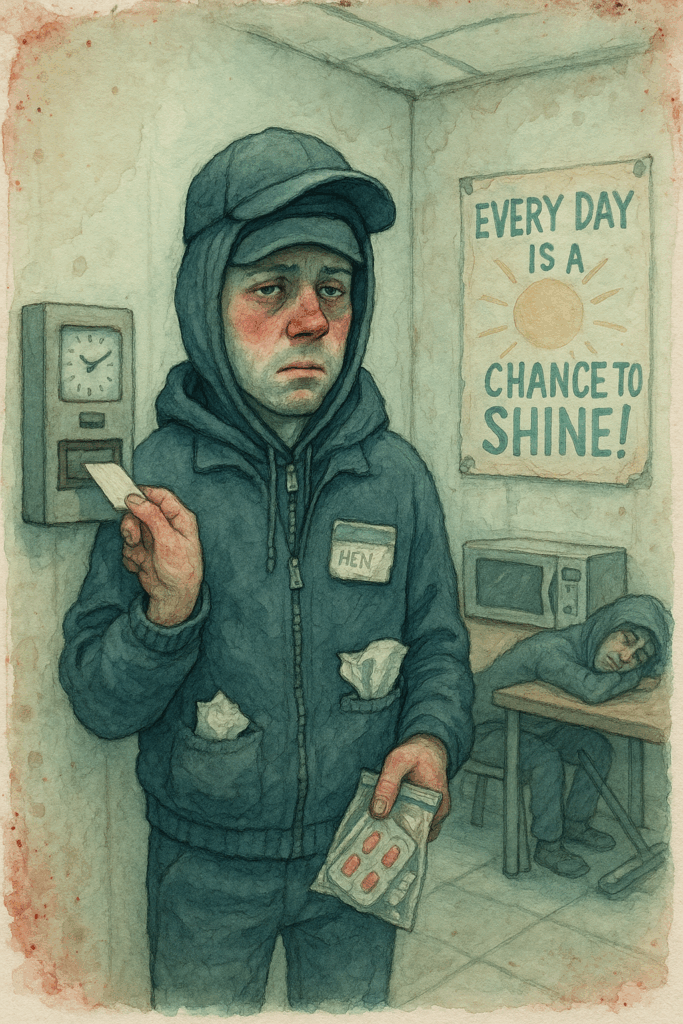
Capitalism’s Rigged Game: It’s Not Just About Bad Apples
Yes, CEOs are greedy. But the real scam? Capitalism makes greed mandatory. Shareholders demand growth. Boards demand profit. Competitors demand annihilation. Even the “good guy CEO” has to play Darth Vader if they want to keep their job. It’s not that capitalism encourages greed—it’s that capitalism institutionalizes it, like a frat hazing ritual for anyone in power.
And yes, capitalism gave us vaccines, iPhones, and the ability to get pad thai delivered at 11 p.m. That’s great. But the system also wants to grind your psychological well-being into profit margins. Progress is real—but so is the human wreckage left behind.
The Cult of Brighter Days Asks: What’s Enough?
Greed asks: “How much can I take?”
Consumerism asks: “How much can I buy?”
Capitalism answers: “More than yesterday.”
But the real question—the one that makes Wall Street tremble like a toddler denied a lollipop—is: What is enough?
Enough food to nourish.
Enough shelter to feel safe.
Enough love to belong.
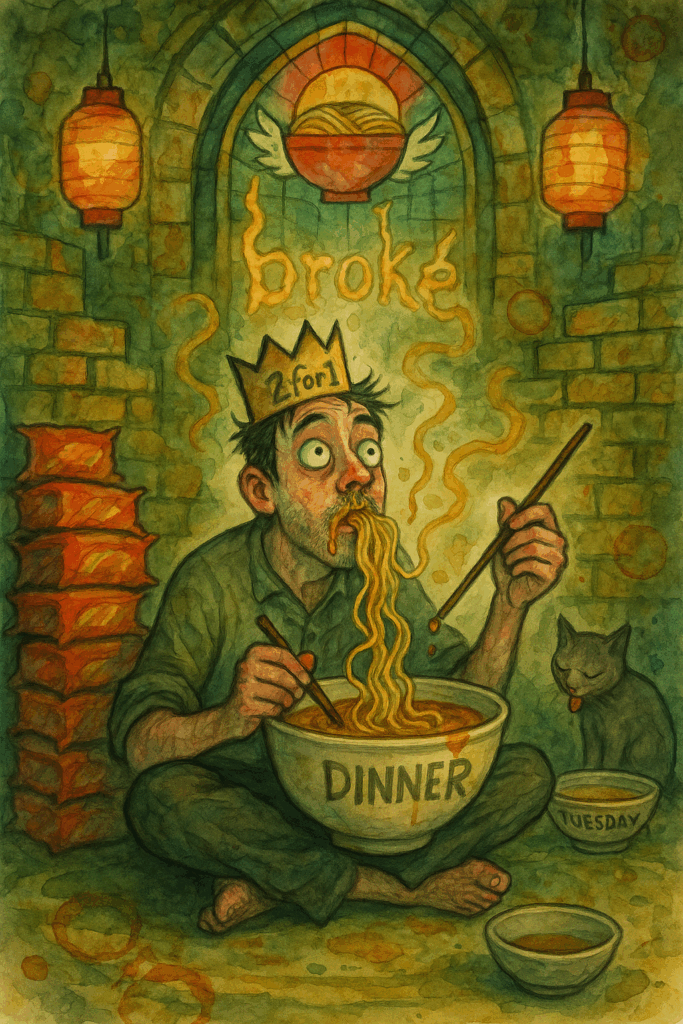
Enough meaning to not stare into the void wondering why you have six streaming subscriptions but still feel hollow.
Researchers at San Francisco State University found that once you’ve hit basic security, piling on more money doesn’t make you happier. Beyond enough, the marginal return is not joy—it’s existential heartburn.
A Better Metric (Because GDP Can Go Shove It)
GDP doesn’t measure happiness. Consumer confidence doesn’t measure thriving. What if our yardsticks were community resilience, ecological health, equity, and joy? Capitalism would laugh, but capitalism also thought Cabbage Patch Kids were a good investment strategy, so maybe don’t listen to capitalism.
The Cult doesn’t promise utopias. We’re too honest for that. Instead, we offer paradox: resist greed while acknowledging it, critique capitalism while surviving inside it, embrace failure while striving anyway. Desire isn’t the enemy—it just needs integration. Ambition isn’t sin—it just needs a leash.
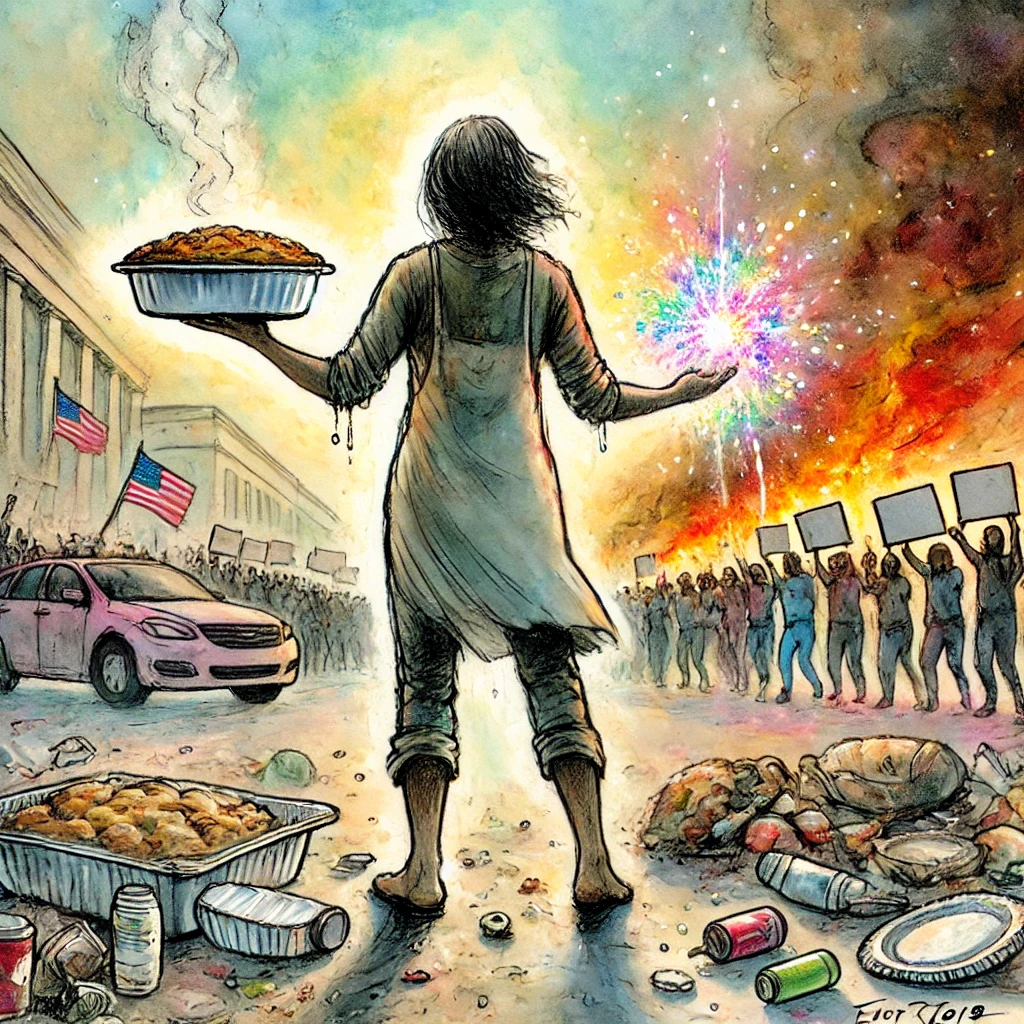
We can’t burn capitalism down tomorrow (though the fantasy is delightful). But we can practice being human inside its jaws, laughing as we plant gardens in the cracks of its marble temples, and finding “enough” before “never enough” eats us alive.