Mourning MTV and the Death of Shared Culture
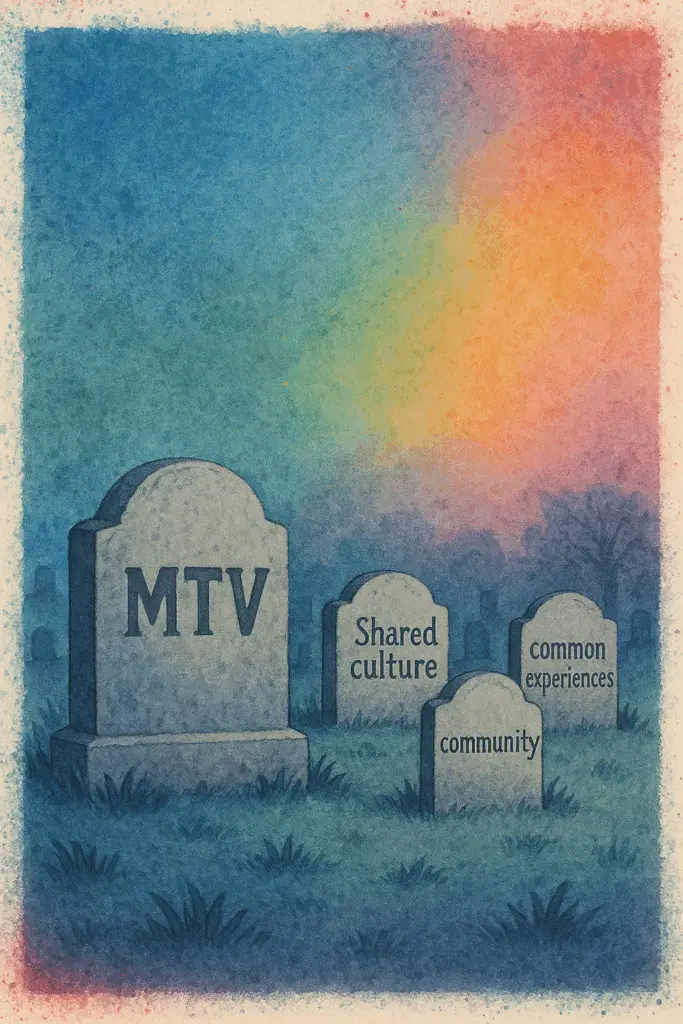
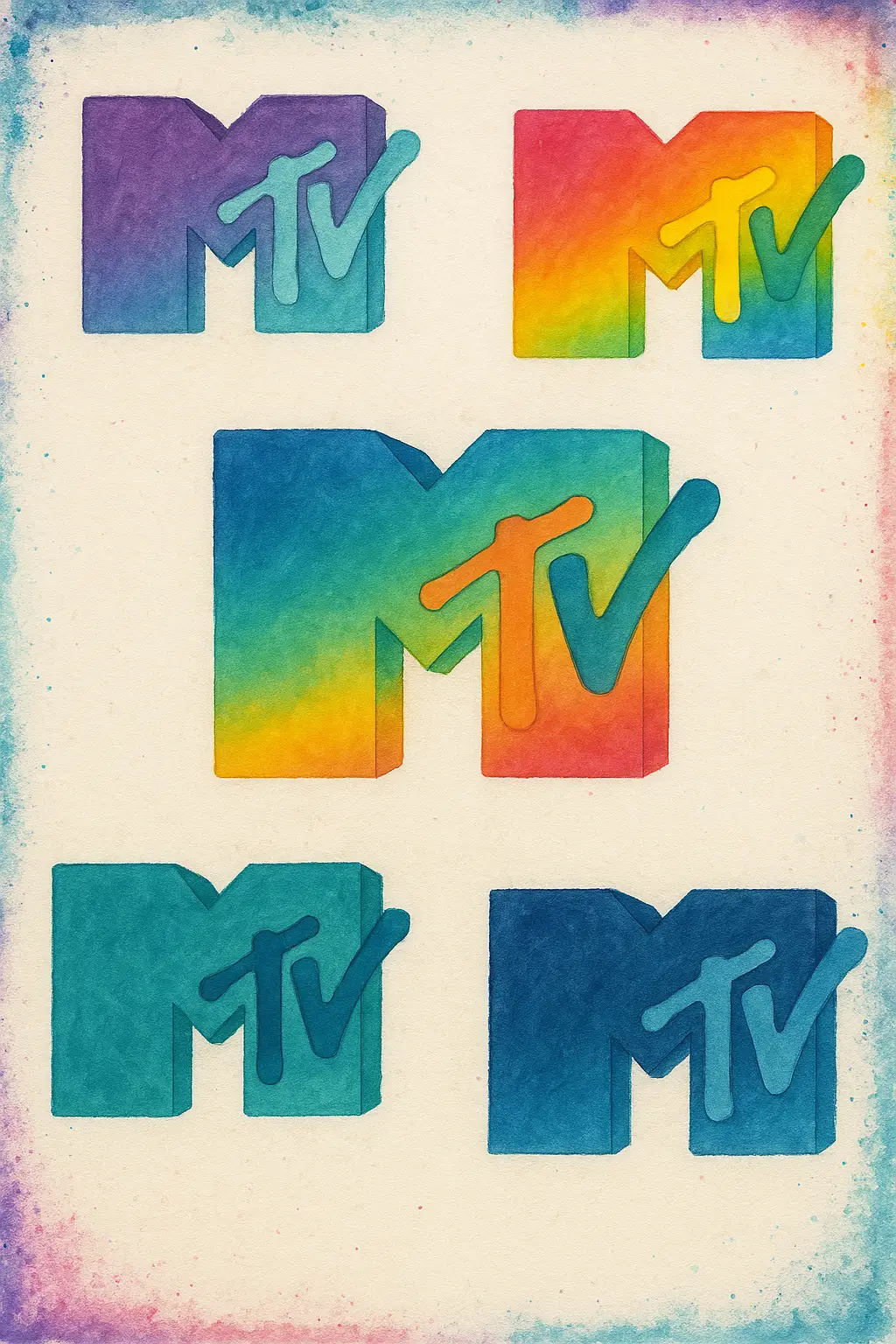
On October 10, 2025, MTV quietly announced it’s pulling the plug on its last remaining music channels. No tearful farewell, no retrospective montage. Just: “We’re done.” By New Year’s Eve, whatever was left of MTV’s musical soul will be algorithmic roadkill—absorbed, rebranded, or buried in a corporate folder marked “obsolete.”
I haven’t watched MTV in years. Most of us haven’t. But the second I saw that announcement, something hit. A thud in the chest. A grief that didn’t belong to a television network—but to an era, a shared mythology, a collective memory.
This isn’t just about media.
It’s about mourning the death of a cultural campfire.
What MTV Meant Before the Brand Took Hostages
MTV didn’t just play music. It told us who we were becoming.
From “Ladies and gentlemen, rock and roll” to The Real World and TRL and Beavis and Butt-head, it was a gloriously chaotic fusion of art, garbage, politics, fashion, and emotional puberty. It was messy. And formative. And loud.
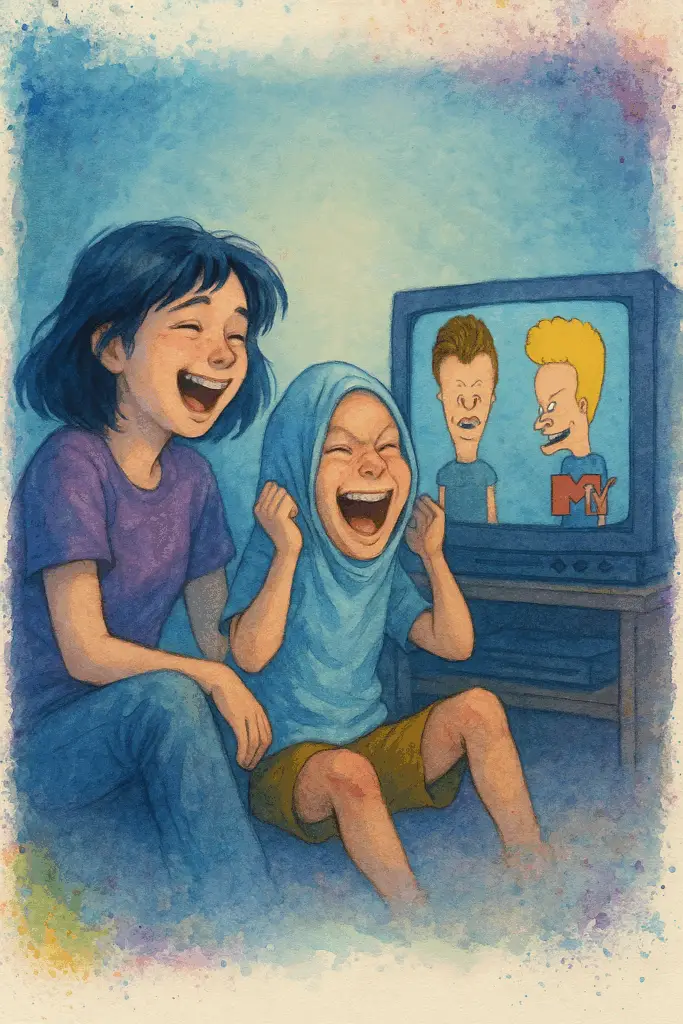
I remember my little brother going full Cornholio until we were both laughing like sleep-deprived gremlins. I remember waiting hours to see my favorite video—before playlists, before autoplay, back when you had to earn dopamine like a digital scavenger hunt.
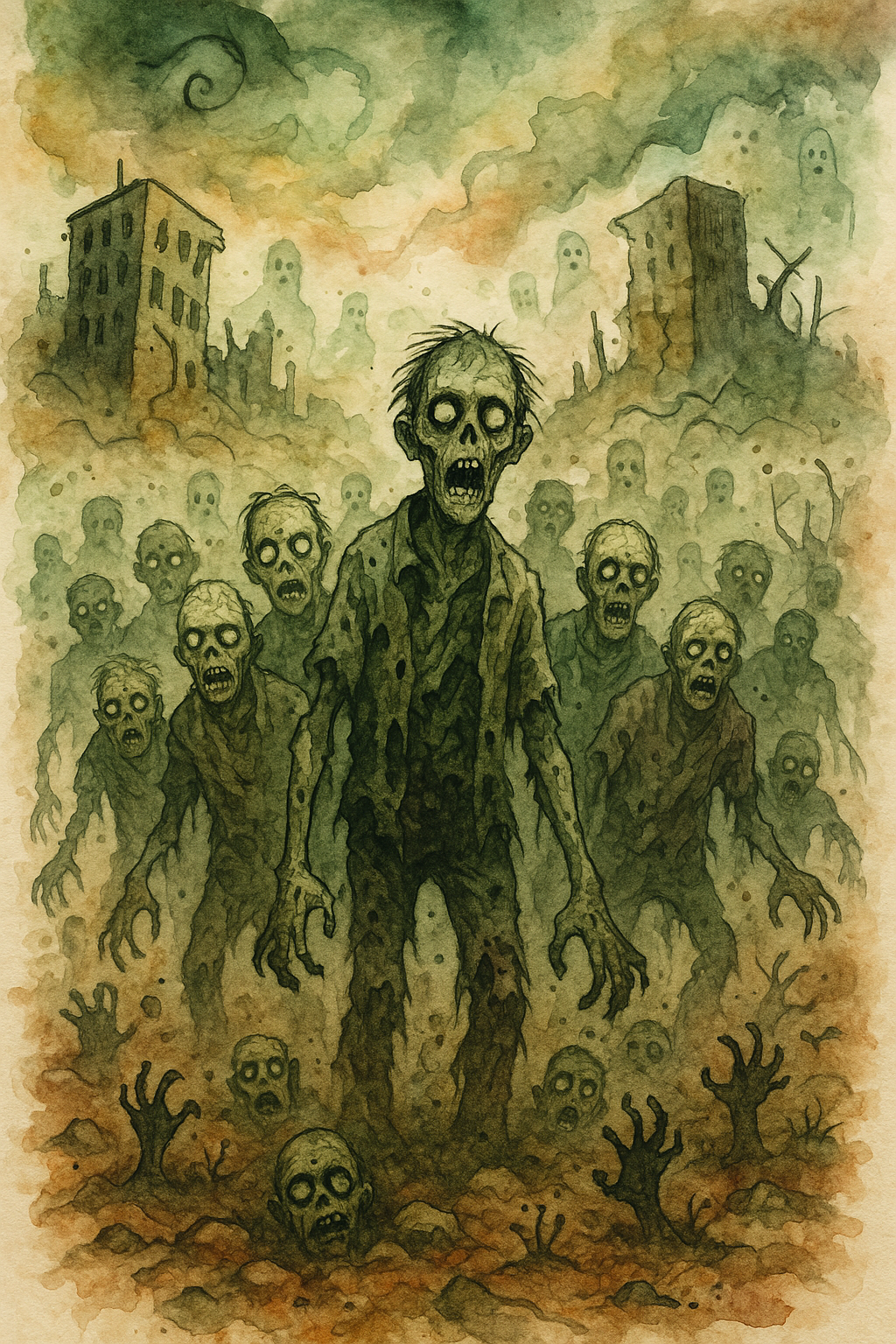
I remember watching Thriller like it was The Iliad—except with zombies and a red leather jacket that restructured my brain chemistry.
And yes, I was definitely “studying” while mainlining The Real World marathons. (Puck. Unhinged. Iconic. Fight me.)
MTV wasn’t just background noise. It was the language of adolescence.
MTV Was Our Mirror—Until It Ghosted Us
To grieve MTV is to grieve a particular way of growing up.
As kids, it was noise and novelty. As teens, it was a blueprint—soundtracked rebellion and eyeliner envy. As adults, we got annoyed at what it became, not realizing the betrayal was mutual. It grew up, too. Into something we didn’t recognize. Or maybe it just stopped recognizing us.
Now it’s official. The music’s over. The era’s done.
Grief is the right response.
The Algorithm Killed the VJ: Why This Hurts More Than We Admit
The real death here? Shared cultural experience.
We’ve moved from watching the same thing at the same time to being drip-fed niche content in isolation. The VJ is gone. The countdown is gone. The “Did you see that last night?” is gone. Replaced by infinite scroll and surgical dopamine.
And psychologically? That shift has teeth.
Shared experiences create identity coherence. They’re memory anchors.
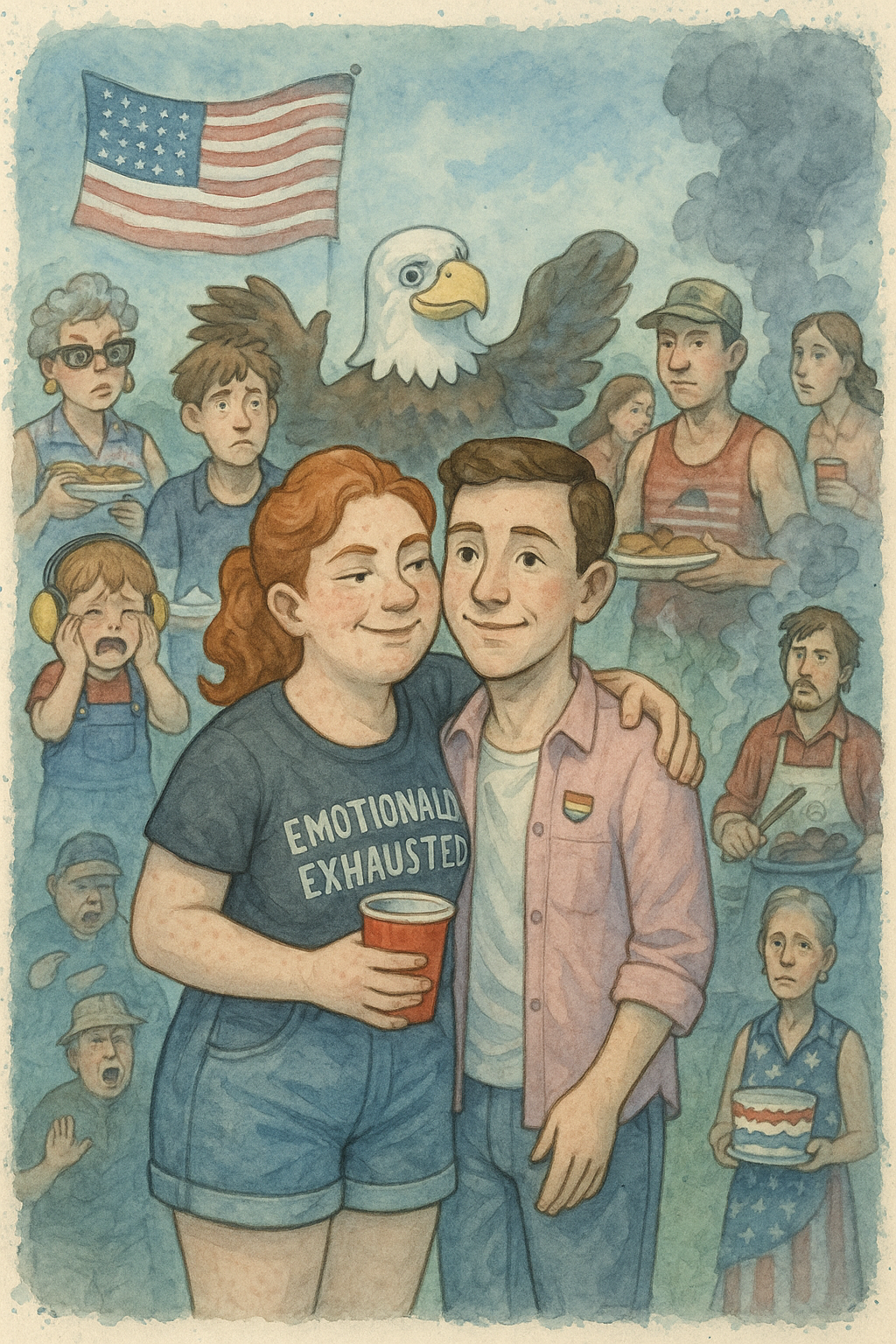
Without them, we’re all just floating in curated silos, yelling into our own For You Pages.
This isn’t tech pessimism—it’s cultural grief.
And we need to name it.
This Wasn’t “Just a Channel.” It Was a Social Ritual
MTV was chaotic and often cringe, yes. But it gave us something crucial: belonging through common reference.
Now? Everyone’s got their own feed, their own echo chamber, their own micro-nostalgia. The decentralization has power—but also cost.
This isn’t just the death of a brand. It’s the funeral of a shared narrative structure.
A little coffin we all have to carry.
What We Do With the Ashes
Look—I’m not saying we should resurrect MTV like some glittery cultural necromancer. That era’s gone, and trying to force it back would be embarrassing for everyone involved.
But the grief is real. And real grief deserves ritual.
If this hit you somewhere weird and tender, you’re not alone. And if you want to yell into the abyss with us—about your favorite music video, your cursed teenage fashion choices, or your unspeakably strong opinions about The Real World: Seattle—we’re here for it.
And we want to hear it.
Join the conversation:
- YouTube – We’ll be posting our own MTV eulogy (tears optional, sarcasm mandatory)
- Substack – Our weekly newsletter carries this essay and opens the floor for discussion
- Facebook, Instagram, TikTok – Tag your chaos: #TheCultOfBrighterDays
Hell, build a digital shrine in Minecraft. Paint a tribute in MS Paint. Carve “I want my MTV” into the moon.
It’s still our culture. We just express it differently now.
And that’s okay.