— And No, You’re Not Being Irrational
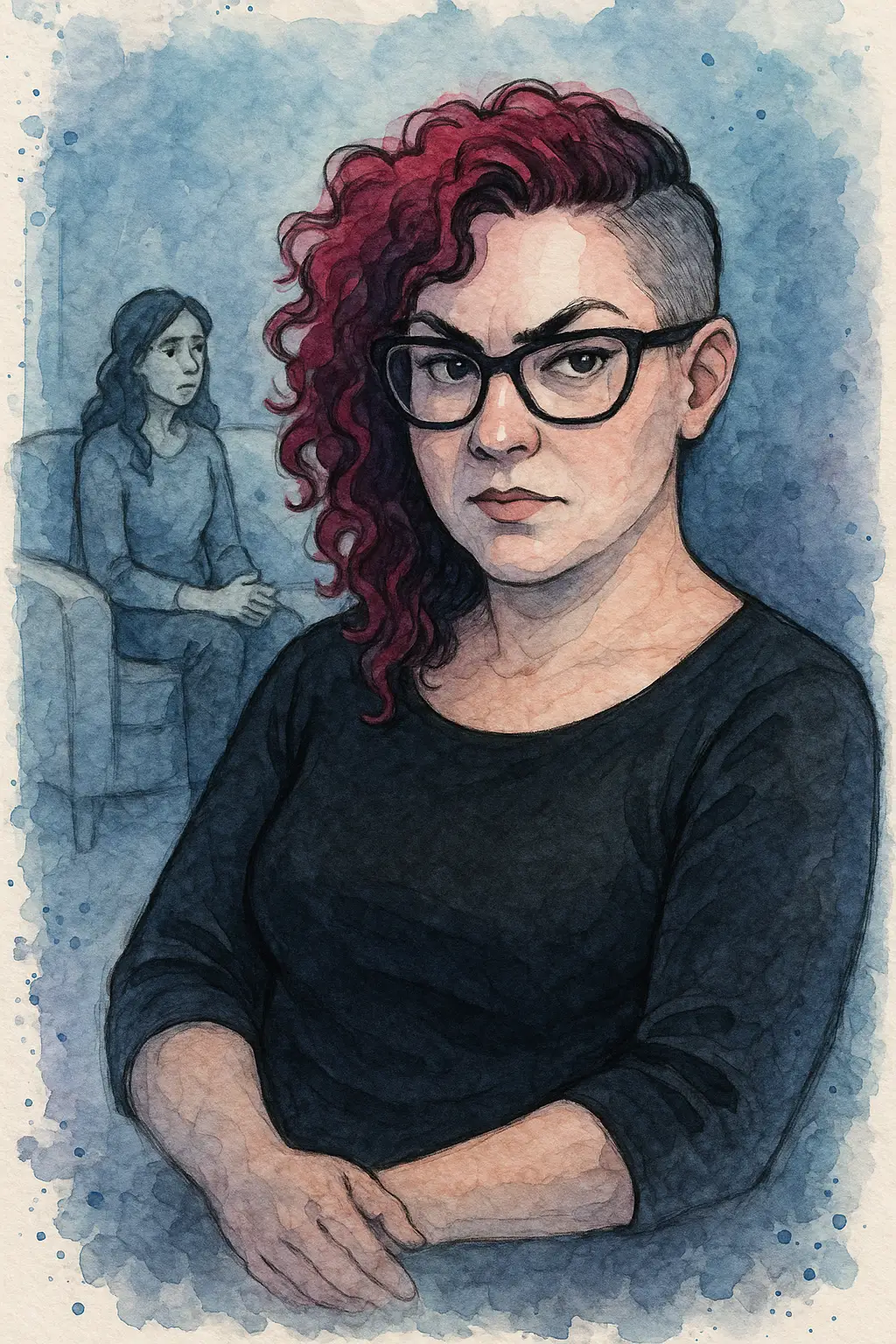
Recently, a patient of mine looked me in the eye and said:
“They’re going to round us up, aren’t they? People with mental health diagnoses. I think they’re going to start camps.”
She wasn’t joking.
She wasn’t delusional.
She was scared.
And honestly?
Given what’s happening—what’s already happened—she wasn’t wrong to be.
Let’s talk about that fear. Not dismiss it. Not diagnose it. Name it. Because pretending it’s irrational is gaslighting. And pretending it can’t happen here? That’s how it happens here.
⚠️ Fear That’s Built on History
You are not the first person to feel afraid of asking for help. You won’t be the last.
This country has a legacy of:
- Institutionalizing the inconvenient, not just the unwell.
- Medicating those who didn’t conform—especially queer, neurodivergent, and poor folks.
- Using psychiatry as a political tool—whether to discredit protestors or to disappear people seen as disruptive.
- Evacuating hospitals (deinstitutionalization) without building the promised safety nets. That “freedom” turned into homelessness, incarceration, or death for thousands.
And now? In 2025?
- Trump’s administration is slashing protections for mental health parity.
- SAMHSA is being dismantled, gutting community-based care coordination.
- Healthcare restructuring is pushing us backward, not forward.
If the system feels like it’s closing in again — that’s because it is.
💬 What If You’re Scared… but Still Need Help?
Here’s the terrifying bind:
You need support.
But you’re afraid support will betray you.
And historically? That’s not an unfounded worry.
So let’s be clear about the current rules (in the U.S.):
You cannot be hospitalized against your will unless you are:
- An immediate danger to yourself or others
- Unable to meet basic needs, with no safer alternative
- In a process that includes legal and professional checks
You cannot be hospitalized just because you have a diagnosis, or because you’re sad, scared, autistic, overwhelmed, or not functioning “normally.”
And most importantly:
No ethical mental health professional wants to lock you away.
We became clinicians to help, not hand people over.
As long as you are not actively dangerous — you still have rights, voice, agency.
🌱 If You’re Scared Now, But Need Support Anyway
There are safe ways to reach out. You can get help without being dragged into a system that terrifies you.
Try:
- 988 – Crisis Line (call/text, 24/7, not police-aligned by default)
- Peer support lines – Talk to people who’ve been scared too
- Advance psychiatric directives – Legal docs you create in calm moments to guide future care
- Trauma-informed therapists – Ask directly: “What are your views on hospitalization?”
- Local ombudsmen or mental health advocates – Know your rights before crisis hits
- Crisis stabilization units (CSUs) – Short-term, community-based, less restrictive
And when in doubt? Ask for information without committing to care. You can explore without handing over your autonomy.
💛 A Quiet Promise
I know it’s hard to trust a system with blood on its hands.
But here’s what I can tell you — not as a bureaucrat, but as a mental health professional who sits in the room with real people:
You are not crazy for being scared.
And you are not alone in that fear.
But you can still get help without losing your freedom.
Not every system is safe.
But not every helper is your enemy.
We’re out here.
Quietly. Consistently. Ethically.
Making sure that help still means help.